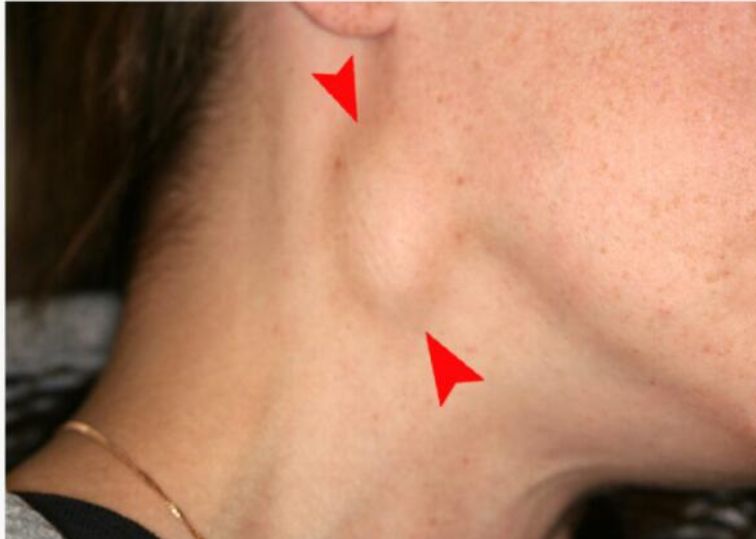
Ever look in the mirror and notice your teeth aren’t quite as bright as they used to be? Or maybe your gums feel a little off? If you smoke, that might be more than just a coincidence. We all know smoking is tough on your lungs, but what about the part of your body you use to eat, talk, and smile?
Smoking severely affects oral health. It’s like pouring acid on a beautiful garden. Your mouth is a delicate ecosystem, and smoking throws everything way out of balance. This isn’t scaremongering; it’s just the truth about what happens inside your mouth every time you light up or take a puff. Understanding how Smoking Affects Oral Health is the first step toward fixing it.
The Dirty Details: What Smoking Does to Your Mouth
When you smoke a cigarette, vape, or even use smokeless tobacco, you introduce thousands of chemicals into your mouth. These chemicals don’t just pass through; they stick around and cause damage. Think of it this way: your mouth tries to constantly clean itself, but smoking is like adding a permanent layer of grime that it can’t wash away.
The Grime Layer: Stains and Smell
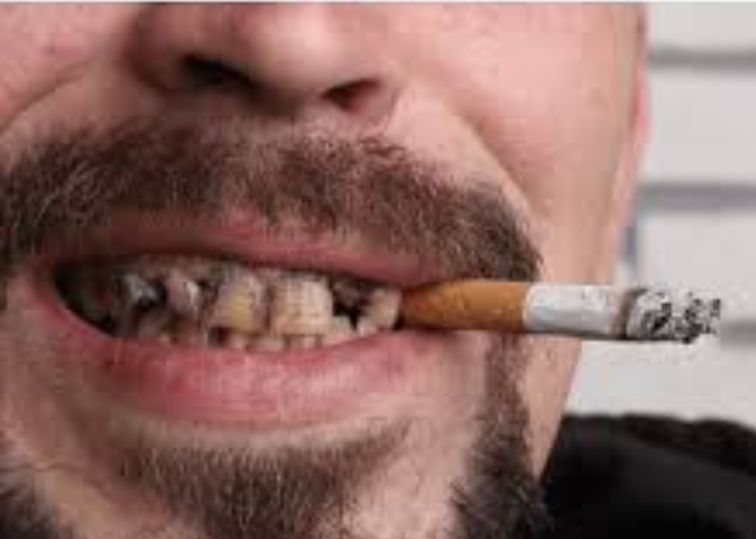
The first thing most people notice is the staining. Nicotine and tar are sticky. They cling to the enamel of your teeth, turning them yellow or brown. It’s not a temporary stain, either; it sinks into the microscopic pores of your teeth.
- The Bad Breath Factor: We all know about “smoker’s breath.” It’s not just the smell of smoke; it’s caused by the chemicals and the dryness smoking creates. This dry environment is the perfect playground for stinky, odour-causing bacteria.
- A Yellow Filter: Imagine your teeth are a coffee filter. Every smoke you take is pouring dark, staining liquid through them. Over time, that filter turns a permanent shade of brownish-yellow.
When we talk about how Smoking Affects Oral Health, the aesthetic issues are just the start.
The Foundation Fails: Gums and Bone
Your gums are the foundation for your teeth. They hold everything in place. Smoking acts like a slow, destructive wrecking ball on this foundation. It limits the blood flow to your gums. Less blood flow means less oxygen and fewer nutrients to keep your gums healthy and able to fight infection. This is where the serious trouble begins:
Gum Disease (Periodontitis)
Gum disease starts as gingivitis—red, swollen gums that bleed easily. For a non-smoker, this is usually easy to fix with better brushing. But for a smoker, it quickly spirals into periodontitis.
- The Masking Effect: Smoking actually hides the early signs of gum disease. Because of the restricted blood flow, your gums might not bleed as much as a non-smoker’s, making you think everything is fine when it’s not.
- Bone Loss: The infection attacks the bone supporting your teeth. Once that bone is gone, it’s gone for good. Teeth get loose, and eventually, they fall out. This is a primary way Smoking Affects Oral Health.
If you use products like a Vaporesso Xros or an IQOS device, don’t think you’re completely safe. While they might reduce some tar, they still deliver nicotine, which still restricts blood flow and makes healing harder.
The Repair Shop Shut Down: Healing and Recovery
Your mouth is amazing at healing. A small cut inside your cheek usually disappears in a day or two. When you smoke, that repair shop closes early and is staffed by tired, underpaid workers.
Smoking slows down your body’s ability to heal. This is a huge deal, especially if you ever need dental surgery, like having a tooth pulled or getting an implant.
| Procedure | Non-Smoker Healing Time | Smoker Healing Complications |
|---|---|---|
| Tooth Extraction | 7–10 days (minor soreness) | High risk of “dry socket” (intense pain), slower clot formation, and higher infection risk. |
| Dental Implants | 4–6 months for fusion | Significantly lower success rate; the implant may fail to fuse with the bone due to poor blood flow. |
If you use smokeless tobacco, like a pouch from Nordic Spirit, the effect is even more focused. You’re placing highly concentrated chemicals right against your gum line, leading to severe gum recession and an extremely high risk of oral cancer right at the contact point. This is the most critical example of how Smoking Affects Oral Health for users of these products.
The Big C: Oral Cancer Risk
Let’s be direct: Smoking is the biggest risk factor for oral, throat, and lip cancer. It’s like playing Russian roulette. The chemicals in smoke damage the DNA in the cells lining your mouth and throat, causing them to grow out of control.
What to Look For:
- A sore on the lip or in the mouth that doesn’t heal (this is the most common sign).
- A white or red patch inside your mouth that won’t go away.
- Numbness or pain in your mouth or tongue.
You need to know that Smoking Affects Oral Health in this devastating way. If you spot anything unusual, see your dentist immediately. Early detection saves lives.
Final Words
No one is telling you it’s easy. But understanding the direct damage that Smoking Affects Oral Health, not just with stains but by destroying the bone that holds your teeth, should be a powerful motivator.
Remember, your smile is worth it. Your health is worth it. Taking charge of how Smoking Affects Oral Health starts with that one tough decision to change. You can do this.