Practical Tips for Optimizing Fertility
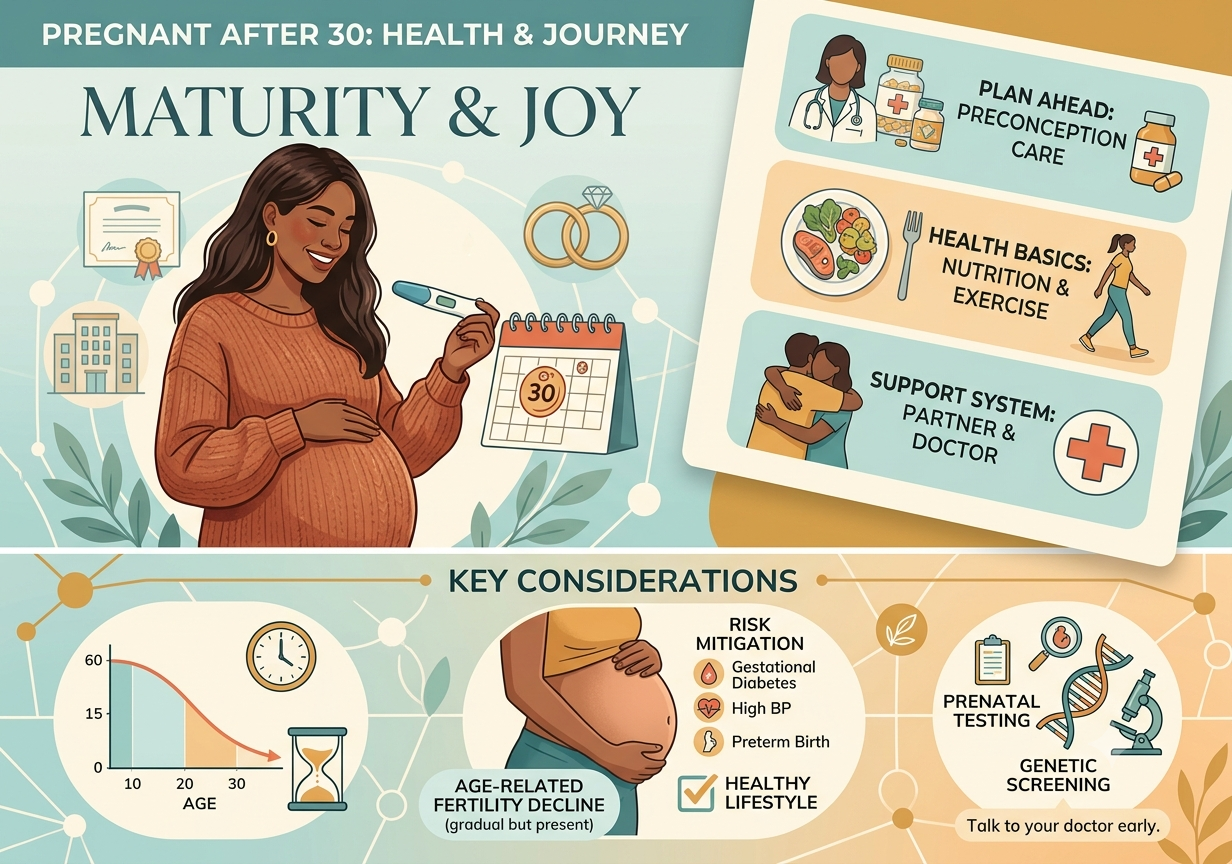
Pregnancies also at the age of 30 to 35 years are also increasing. The fact of the matter is that one’s business, relationships, and life circumstances tend to get arranged at a later age compared to how it was for our parents and grandparents. The latest advancements in modern medicine have also ensured that most women are capable of conceiving at this age. Though the fertility rate begins to decrease gradually around 30 years of age, it is not impossible to get pregnant.
1. Understand How Fertility Changes in Your 30s.
Fertility rates also don’t drastically decrease by the age of 30, though there may be a slow decline in the rate with the increase chances of pregnancy after 30?. The female body has a predetermined supply of eggs, which reduces with age. The probabilities of conception per month also remain relatively high for the ages 30-35 compared to the previous ages, though the probabilities of the complications mentioned may increase slightly. But it will not create any problem for most individuals with the ages mentioned above to conceive within a year.
Patience and having a positive attitude mean understanding that it may take many months before conception occurs. When many months have passed with unsuccessful conception, it may or may not be an indication that there may be a problem.
2. Track Ovulation Accurately
Timing intercourse around ovulation is one of the most impactful steps you can take.
- Ovulation predictor kits (OPKs): These detect the luteinizing hormone (LH) surge that occurs 24–36 hours before ovulation.
- Cycle tracking apps: Useful for pattern recognition, especially when combined with OPKs.
- Basal body temperature (BBT): A slight temperature rise confirms ovulation after it occurs, helping predict future cycles.
- Cervical mucus monitoring: Fertile cervical mucus is clear, stretchy, and resembles egg whites.
The most fertile window is the five days before ovulation and the day of ovulation itself. Having sex every 1–2 days during this window maximizes the chance of sperm meeting egg.
3. Have Regular, Well-Timed Sex (Without Burnout)
Ensure to have sex every 4 to 5 days during this cycle and then increasingly to 3 to 4 days once getting into the fertile windows. The main reason for this is to keep sperms replenished without putting much pressure on any given day.
Moreover, it will be important to ensure that the experience of sex is enjoyed. Stress can affect the levels of certain hormones and even fertility because of the way in which it affects the levels of libido. Enjoyed sex can boost fertility.
4. Optimize Nutrition for Fertility
A balanced, nutrient-dense diet supports hormone production, ovulation, and egg quality.
Focus on:
- Whole foods: Vegetables, fruits, whole grains, legumes
- Healthy fats: Avocados, olive oil, nuts, seeds.
- Lean proteins: beans
- Iron-rich foods: Leafy greens, lentils.
- Antioxidants: Berries, colorful vegetables, green tea
Limit:
- Highly processed foods
- Excess sugar
- Trans fats
- Excess caffeine (generally keep under 200 mg/day)
A prenatal vitamin with folic acid is strongly recommended before conception to reduce the risk of neural tube defects and support early fetal development.
5. Maintain a Healthy Body Weight
Being dramatically underweight or obese may impact ovulation and hormonal regulation. Body fat is involved in female sex hormones regulation and may be influenced by being underweight or obese.
If there are issues with weight, rather than dieting, emphasis should be placed on healthy habits. This way, even small adjustments can have good effects on fertility.
6. Manage Stress Thoughtfully
While stress alone does not cause infertility, chronic stress can disrupt hormones, sleep, and ovulation patterns.
Helpful strategies include:
- Gentle exercise (walking, yoga, swimming)
- Mindfulness or meditation
- Journaling or therapy
- Acupuncture (some find this supportive during TTC)
- Setting boundaries around fertility-related information overload
Trying to conceive can become emotionally consuming. Creating space for rest, hobbies, and non-fertility conversations helps maintain balance. This can be definitely increase chance of pregnancy after 30.
7. Exercise But Don’t Overdo It
Moderate physical exercise enhances blood circulation, hormonal balance, and psychological well-being. Too much hard physical training may disrupt ovulation, particularly when done with restriction in food calorie intake.
Aim for:
- 30 minutes of moderate activity most days
- Strength training 2–3 times per week
- Adequate recovery and nutrition
Listen to your body and adjust if your cycles become irregular.
8. Reduce Exposure to Harmful Substances
Certain substances can affect egg quality and fertility:
- Avoid smoking and recreational drugs
Do not consume alcohol (many choose to avoid it entirely while trying)
- Minimize exposure to environmental toxins (pesticides, BPA, phthalates)
- Use glass or stainless steel for food storage when possible
These steps support not only conception but also increase chance of pregnancy after 30.
9. Get a Preconception Checkup
A healthcare provider can:
- Review your menstrual history
- Screen for conditions like thyroid disorders or anemia
- Check immunity status (rubella, varicella)
- Review medications and supplements
- Discuss genetic screening if relevant
If you have conditions such as PCOS, endometriosis, or irregular cycles, early guidance can save time and frustration.
10. Know When to Seek Help
For ages 30–35, medical guidance is generally recommended if:
- You’ve been trying for 12 months without success
- You have very irregular or absent periods
- You experience significant pelvic pain or heavy bleeding
- You’ve had multiple miscarriages
Seeking help is not a failure it’s a proactive step. Many fertility challenges have effective treatments, especially when addressed early.
Final Thoughts
The age group of 30 to 35 is often a very fertile period, with the power of knowledge, healthy living, and emotional nourishment. This is also the best age because you will know yourself better. You will have greater stability in your life. The best medical care will also be available. Think only of what you can do, and patiently wait for your body. Maintain a healthy lifestyle with exercise and listen to your body this will help to increase chance of pregnancy after 30.
FAQ
1. When should I seek help if I’m not getting pregnant?
You must also pay a visit to a doctor if you happen to be below 35 years of age and are unable to conceive within a year of unprotected regular intercourse, or if you have irregular menstrual cycles or even if you have previously experienced fertility problems or other medical issues.
2.How can I improve my chances of conceiving?
This can further be assisted by providing a boost for increasing the conception chances by adopting a healthy lifestyle, proper nutrition, absence of stressful conditions, regular exercises, monitoring the menstrual cycle to observe the ovulation, avoidance of harmful factors like tobacco and alcohol use, having normal weights, and professional advice in cases of difficulty in getting pregnant within a year with regular unprotected intercourse.
3.Does male fertility decline after 30?
Yes, as through biological changes, the fertility of males declines with the deterioration of the quality of their sperms around the age of 30, yet they are considered to be fertile in old age.
4.What should I eat to boost fertility?
A nutritious and balanced meal, along with an array of vitamins and minerals such as fruits, vegetables, grains, proteins, fats, antioxidants, folate, iron, zinc, omega-3 fatty acids, etc., while providing other nutritional benefits, would also contribute to hormonal balance in the human body.
5.How does stress affect pregnancy?
As there is a possibility that it might affect any of the hormones, the process of ovulation, the quality of the sperms, and the implantation of the embryo, conception in particular would be of utmost importance in the case of stress. Overcoming the problem with the help of the aspect of stress being a supporting factor for conception in a positive way seems to be a possibility.
6.Are there risks associated with pregnancy after 30?
However, yes, pregnancy, being over the age of 30, is accompanied by some inherent risk factors such as fertility problems, diabetes, hypertension, and chromosomal disorders.