Stretching is among the easiest actions you can take to help your body feel healthier. It doesn’t require any apparatus or fancy gym equipment. It’s easy to do anywhere, whether at home, in the park, or even at work. A lot of people avoid stretching as they think it’s not essential. However, the reality is that stretching is a necessary aspect of staying fit and flexible. It’s also a way to keep active.
If you’re new to fitness, this article will teach you about the most effective stretching exercises for those who are new to the sport. Learn how stretching can benefit you as well as how to perform it safely, and what exercises you can begin with today.
Why stretching is crucial
Before you learn the stretches, we need to understand why stretching is essential. If you can stretch muscles, it increases flexibility and movements. It also helps reduce the pain and stiffness. It also helps to keep your blood circulation in good order and helps prepare your body for other activities such as yoga, walking, or running.
If you are seated for long periods at work or work all day, your muscles may become tight. Stretching loosens them up and helps you relax. It can also help keep you safe from injury when you begin exercising.
For people who are just beginning, stretching can be an excellent method to begin moving your body slowly and in a safe way.
Tips Before You Begin Stretching
Here are some simple points to be aware of before doing the most effective stretching exercises for newbies:
- Begin by warming up: Begin by walking or arm circling to stimulate your blood flow.
- Don’t rush: Move slowly. Stretching should be pleasant but not painful.
- Take a deep breath: Do not hold your breath when stretching.
- Stay gentle: If you feel pain, stop immediately. Only stretch until you feel a slight tension.
- Be persistent: Try to stretch each day, even for just a few minutes.
Let’s take a look at some of the best stretching exercises for beginners.
1. Neck Stretch
This is a reasonably simple stretch that releases tension in your shoulders and neck.
- Stand or sit straight.
- Then slowly turn your head toward the right side of your shoulder until you notice a stretch on the left side of your neck.
- You should hold it until you’ve held it for between 10 and 15 seconds.
- Go back to the middle position and then turn your head towards the opposite side.
- Repeat 3 times.
This stretch relieves tension from the long periods of sitting or working on your computer or phone.
2. Shoulder Stretch
The muscles of your neck can tighten quickly, particularly if you are at your desk for a long time.
- Your right arm should be crossed across your chest.
- Place it in your left hand, just above the elbow.
- You should feel a slight stretching in your shoulders.
- Keep it for about 15 seconds and then switch sides.
This is a simple stretch that is ideal for increasing upper-body flexibility.
3. The Triceps and Arm Stretch
This stretch will relax your arms and prepare them for future exercises.
- Raise your right arm straight up.
- Bend your elbow, and then gently touch the back of your hand by holding your hands.
- Make use of your left arm to lightly move your right elbow forward.
- For about 15 seconds, hold the arm for 15 minutes, then switch arms.
It’s among the most effective stretching exercises designed for those looking to improve their upper body movements.
4. Chest Stretch
If you are a frequent user of a desk or a chair, this stretch will open your chest and also improve your posture.
- Make sure you are standing straight and put your hands behind your back.
- Slowly raise your arms as you pull your shoulders down.
- Feel the stretch on your chest.
- Keep it for 20 seconds, then release.
This stretch can help you breathe more easily and increase the upper body’s flexibility.
5. Side Stretch
This stretch focuses on your sides as well as your waist and lower back.
- Standing tall, with your feet wide enough to be shoulder-width apart.
- Raise your right arm over your head.
- Lean gently to the right side till you are able to feel the stretch of your left side.
- Keep it for 15 seconds, then switch sides.
It’s simple and can help loosen muscles tightened after standing or sitting for too long.
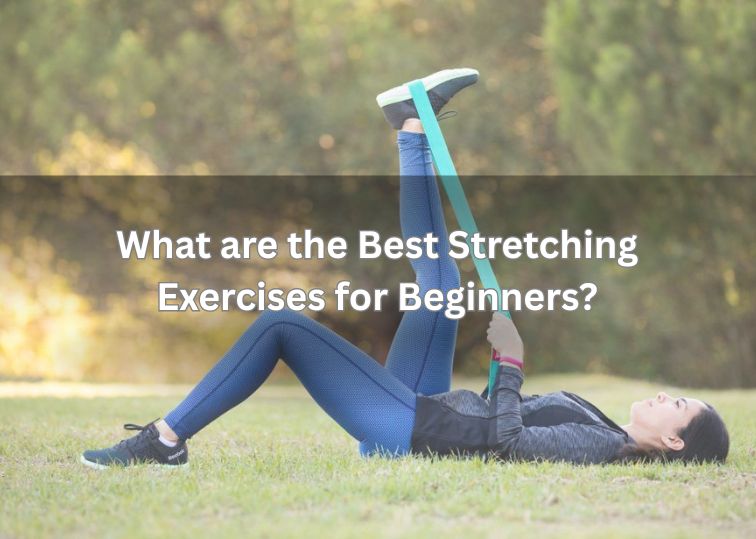
6. Hamstring Stretch
The tightness of the hamstrings is familiar when you are sitting for the majority of the time. This stretch can help.
- You should lie on the floor with your legs in front of you.
- Slowly extend your arms towards your toes.
- Make sure your back is straight.
- Keep it for 20-30 seconds.
It’s not necessary to touch your toes initially. Do as much as you can comfortably. As time passes, your flexibility will increase.
7. Quad Stretch
The quadriceps (front Thigh muscle) require stretching after running or walking.
- Make sure you are standing straight and secure the wall or a chair to maintain stability.
- Make sure you bend your right knee and pull your heel towards your butt.
- Keep your ankle in place with the right side of your hand.
- You’ll notice the stretch on the side of your thigh.
- Keep it for about 15-20 minutes, then change legs.
This stretch can help improve leg strength and flexibility.
8. Calf Stretch
The stretch of the calf is ideal for those who are new to the sport and can help relieve the tightness caused by walking or standing.
- Place your feet in front of a wall.
- Put your palms on the wall, at shoulder height.
- Take your right foot and step back, and keep it straight on the floor.
- Relax your knees in front until you feel a stretch in the calf of your back leg.
- Keep it for 20 seconds and then switch sides.
It’s among the most effective stretching exercises for newbies for keeping your legs in a relaxed and robust state.
9. Hip Flexor Stretch
The tightness of the hips can cause lower back discomfort. This simple stretch can help open up the hip region.
- On your right knee, sit down while keeping your left foot facing forward, with your knee bent to 90 degrees.
- Begin to push your hips upwards until you notice a slight stretch on the upper part of your right hip.
- For 20 seconds, hold the position and then change legs.
You can make use of either a yoga mat or a towel to place under your knees to help you feel more comfortable.
10. Children’s Pose
This stretch originates from yoga and can help relax your shoulders, back, and hips.
- Place your knees on the floor and keep them a little apart.
- Relax on your feet and enjoy the view.
- Then slowly extend your arms inwards and lower your forehead until it is almost to the floor.
- Breathe deep and hold the posture for 20-30 minutes.
Child’s Pose relaxes and assists in releasing tension and tightness from the body.
11. Seated Spinal Twist
This stretch keeps your spine flexible and also reduces back pain.
- You can sit on the floor with your legs spread.
- Make sure you bend your right knee and then place your left foot in the middle of it.
- Put your right hand in front of your back to assist.
- Your body gently twists to the left and holds it for 15 seconds.
- Change sides, and then repeat.
This stretch is excellent for improving your flexibility and posture in your lower back.
How often should you stretch?
For newbies, it’s recommended to stretch 3-4 times per week. It’s possible to do it every day. Each session should take only 10 to 15 minutes. Regular stretching helps keep your muscles flexible and helps prevent tightness. You can stretch after getting up, at work, or just before you go to bed, whenever your body is tired or stiff.
Benefits of regular stretching
Making the most effective stretching exercises designed for novices can often benefit your life in a variety of ways:
- Flexibility and range of motion.
- Reduces pain and stiffness.
- Improves balance and posture.
- Increases the flow of blood to muscles.
- It helps your body relax and eases stress.
The act of stretching may seem easy, but the advantages are convenient when it is done often.
Final Thoughts
Beginning by doing the best stretching exercises suitable for newbies is among the most efficient methods to take care of your body. It doesn’t matter whether you’re young or old, active or just starting, stretching can benefit everyone. Initially, your body may feel stiff. However, after regular practice, it gets more comfortable. The stretching exercises make your body more elastic, your brain calmer, and your daily life more pleasant.
Therefore, take some time every morning to relax. You’ll feel calmer and stronger, as well as eager to move around freely. Take small steps today that will lead to a better future that is happier and more relaxed.