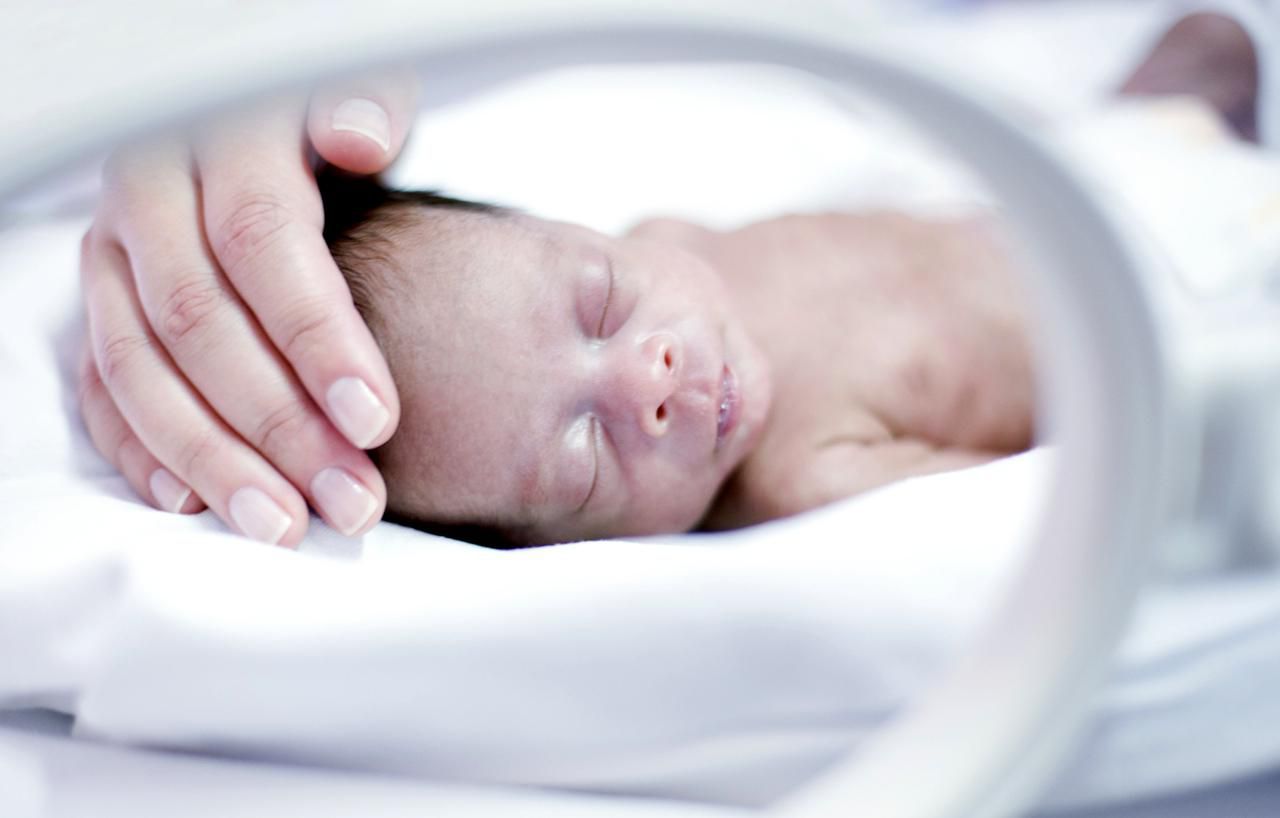
A full-term pregnancy lasts about 40 weeks; most babies are ready for life outside the womb anywhere between 37 and 42 weeks. If a baby is born before 37 weeks of pregnancy, the event is called Premature survival or simply prematurity. Because every week inside the womb counts in terms of development, early birth affects a baby’s body, growth, and needs in many different ways. Just what happens at the time of early birth depends on how premature the delivery is, how much the baby weighs, and how well his or her organs have developed. Some babies need very little support, while others may need very intensive medical care. This essay explains what occurs with an early birth, how it influences the state of the baby’s organs and capabilities, and what kind of care helps them grow and prosper.
1. Levels of Prematurity
Understanding what happens to a baby born early starts with knowing the levels of prematurity:
- Late preterm: 34–36 weeks
- Moderate preterm: 32–34 weeks
- Very preterm: 28–32 weeks
- Extremely preterm: less than 28 weeks
The earlier the birth, the more support the baby generally requires. Infants born after 35 or 36 weeks may appear similar to full-term babies but can still experience problems with feeding and breathing. An extremely premature infant, however, is still developing vital organs and most often requires highly specialized care.
2. Breathing and Lung Development
One of the biggest challenges with premature infants comes with their lungs. During the last weeks of pregnancy, the lungs significantly develop especially in the production of a substance called surfactant which keeps the lungs open after every breath. Babies born early may:
- Struggle to breathe on their own
- Need oxygen support
- Require a ventilator or continuous positive airway pressure (CPAP) machine
Due to their immature lungs, most extremely premature infants have RDS. This is often dealt with by the medical team, providing the baby with artificial surfactant along with assistance with breathing until the baby’s lungs grow stronger.
3. Temperature Regulation
Premature infants often struggle to maintain body temperature. They have:
- Less body fat
- Underdeveloped skin
- Difficulty shivering or conserving heat
Thus, they are often placed in an incubator or under a radiant warmer so they do not lose heat. Keeping them warm is very significant because all unnecessary cold stress will have consequences in respiration, blood sugar levels, and energy use.
4. Feeding and Digestion
Eating and digesting food is another major challenge, especially for very premature infants.
Why?
- Their sucking and swallowing reflexes may not be fully developed until around 34 weeks.
- Their digestive system may be too immature for regular feeding.
These babies might receive:
- Tube feeding through the nose or mouth
- Intravenous nutrition (IV fluids) if digestion is not yet possible
- Gradual transition to breast milk or formula as they grow stronger
Breast milk is often highly encouraged because it is easier to digest and provides antibodies that offer protection.
5. Immune System Development
Since the immune system of a premature baby is not as developed as the one of a full-term infant, they are more prone to any kinds of infections. To reduce this risk, a premature baby is taken care of in controlled environments, such as the Neonatal Intensive Care Unit, or NICU, where cleanliness and monitoring have prime importance.
Premature babies may need:
- Antibiotics to fight potential infections
- Limited exposure to visitors
- Careful hand hygiene by everyone involved
This strict approach helps protect the baby while their immune system gradually strengthens.
6. Brain and Nervous System Development
The final weeks of pregnancy are crucial for brain growth. Babies born early may have:
- Less-developed brain structures
- Immature nervous system responses
- Difficulty controlling movements or emotions
- Sensitivity to light, sound, and touch
Very early birth can increase the risk of intracranial bleeding or developmental delays later in life. On the other hand, the brain is amazingly capable of growth and compensation-particularly if interventions begin early with proper care and a nurturing environment.
7. Heart and Circulation
Premature infants have a variety of potential problems with their circulation. Among the more common is a blood vessel that generally closes after birth but in the premature infant remains open and is termed patent ductus arteriosus or PDA. If it doesn’t eventually close on its own, it may require monitoring or treatment.
Low blood pressure is also common in premature infants, and arrhythmias, or irregular heart rhythms, can occur. These, too, are carefully watched and treated.
8. Vision and Eye Development
The eyes continue their development into late pregnancy and premature birth may interfere with this process. Sometimes, this results in a condition of the blood vessels in the retina called ROP. Most cases are mild and resolve spontaneously; some require treatment.
NICUs protect the vision of premature infants through gentle lighting and regular eye exams.
9. Jaundice and Liver Development
Premature infants are more likely to develop jaundice, a yellowing of the skin and eyes caused by extra bilirubin in the blood. Their livers may not process bilirubin efficiently yet. Treatment often includes phototherapy, a special type of light that helps the body remove bilirubin safely.
10. Growth and Weight Challenges
Premature infants often have low birth weight and may grow more slowly at first. They need:
- More calories for catch-up growth
- Careful monitoring of weight gain
- Support for developing muscles and bone strength
However, many premature infants eventually reach normal growth patterns with proper care.
11. Emotional Bonding and Family Involvement
Premature birth can be emotionally stressful for families. Many parents feel fear, uncertainty, or sadness when their baby requires intensive care. At the same time, hospitals encourage:
- Skin-to-skin contact (kangaroo care)
- Gentle touch
- Involvement in feeding and daily care whenever possible
Research shows these practices strengthen bonding and support healthy development.
12. Long-Term Outcomes
Premature birth can be very emotional for any family. Many parents may be frightened, unsure, and saddened regarding the intensive care a baby needs. On the other hand, hospitals often encourage:
However, some may experience long-term challenges such as:
- Developmental delays
- Learning differences
- Breathing issues like asthma
- Vision or hearing problems
- Growth delays
Early intervention programs—therapy, developmental support, and regular follow-up—can make a significant positive difference.
Conclusion
In this case, a baby born prematurely may not be ready for life in the outside world and often needs special care that supports his breathing, feeding, regulating temperature, and development. Of course, the amount of support will vary widely due to the degree of prematurity. Though premature birth can cause medical and developmental problems, due to advances in neonatal care, early intervention, and family support, many premature babies grow and develop normally, living healthy lives. Knowing what happens at a premature birth informs parents, caregivers, and society about how to show these newborns the patience, understanding, and care they need in their first days of life.