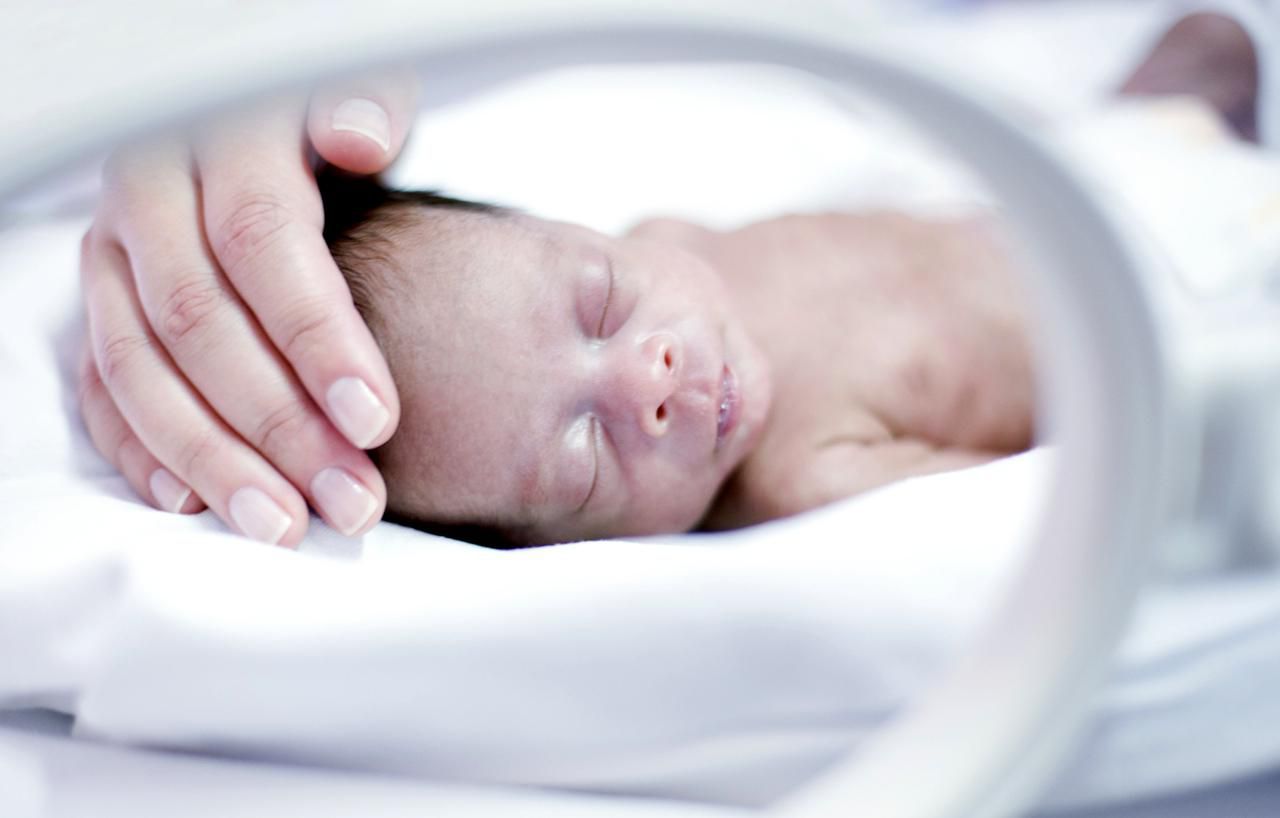
Natural pregnancy is the type of pregnancy when a woman conceives without medical help such as IVF or IUI. It happens by sexual intercourse, where the man’s sperm fertilizes the woman’s egg during ovulation, and the fertilized egg implants in the uterus, leading to the natural development of pregnancy inside the body.
For many couples, getting pregnant naturally is the dream. However, with the modern, fast-paced lifestyle, stress, unhealthy diet, and continuously changing environmental factors, conception may take a little longer than expected. Fortunately, there are several scientifically proven ways to increase the chances of natural pregnancy by improving overall health, understanding fertility cycles, and creating the best conditions for conception.
1. Understand Your Fertile Window and Ovulation
To increase your chances of natural pregnancy, the first and most important step toward natural conception is understanding your fertile window the time in your menstrual cycle when you are most likely to conceive. Ovulation usually occurs about 14 days before your next period. For a woman with a 28-day cycle, ovulation happens around day 14, but it may vary for each woman.
The fertile window is usually considered to be the five days before ovulation and the day of ovulation because this is how long sperm can survive in a woman’s reproductive tract. The chances of fertilization are greatly increased when intercourse occurs within this window.
Signs of ovulation include:
- Clear, stretchy vaginal discharge resembling egg white
- Mild pelvic or abdominal pain
- A slight rise in body temperature
- Increased sexual desire
- Softening of the cervix
To track ovulation, you can use:
- Ovulation predictor kits (available at pharmacies)
- Basal body temperature charts
- Fertility tracking apps such as Flo, Clue, or Glow
Being aware of your ovulation time helps you plan intercourse effectively, ensuring that sperm is present when the egg is released.
2. Have Timed and Regular Intercourse
When you know your fertile window, the timing of intercourse becomes paramount. For most couples, having sex every one to two days during the fertile period gives the best opportunity for a pregnancy to occur. You may not need to have sex every day, but frequent sex keeps fresh, healthy sperm available and avoids sperm fatigue.
Some experts also propose having sex a few days before ovulation because sperm could well survive to fertilize the egg when it is released. The goal is to have sperm waiting for the egg, not the other way around.
After intercourse, lying on your back for 10–15 minutes can help sperm travel more easily toward the uterus, though this is optional and not medically required.
3. Maintain a Healthy Lifestyle
A healthy body is more likely to conceive naturally. Both partners should focus on overall wellness.
For women:
- Eat a balanced diet rich in vitamins, minerals, and antioxidants. Include fruits, leafy vegetables, whole grains, lean proteins, and healthy fats.
- Maintain a healthy body weight, as being underweight or overweight can disrupt hormonal balance and ovulation.
- Avoid smoking, alcohol completely and caffeine.
- Manage stress through meditation, yoga, or breathing exercises.
For men:
- Avoid heat exposure to the testicles (tight underwear, saunas, or laptops on the lap).
- Eat foods that improve sperm quality, such as nuts like alomnds walnuts and seeds like pumpkin seeds,chia seeds and sunflower seeds.
- Exercise regularly but avoid overtraining, which may reduce testosterone levels.
- Quit smoking and limit alcohol consumption, as both can damage sperm.
4. Manage Stress and Get Enough Rest
Emotional health plays a crucial role in fertility. Chronic stress affects hormones such as cortisol and can interfere with ovulation or sperm production. Couples trying to conceive should make time for relaxation and emotional bonding.
Try:
- Deep breathing or mindfulness meditation
- Gentle yoga or walking
- Adequate sleep (7–8 hours per night)
- Open communication between partners
Remember, pregnancy often happens when couples are relaxed and not under pressure to conceive immediately.
5. Take Fertility-Friendly Supplements
Certain vitamins and minerals are essential for reproductive health. Taking supplements can support natural conception:
- Folic acid (400–800 mcg daily): Prevents birth defects and supports healthy egg development.
- Vitamin D: Helps regulate reproductive hormones.
- Zinc: Important for sperm quality and egg health.
- Iron and Vitamin B12: Maintain proper blood health and ovulation.
- Omega-3 fatty acids: Support hormone balance and reduce inflammation.
Always consult a doctor before starting supplements, especially if you have any medical conditions.
6. Avoid Harmful Substances and Environmental Toxins
Modern environments contain chemicals that can affect fertility. Reduce exposure to:
- Pesticides and plastics containing BPA (Bisphenol A)
- Household chemicals and strong detergents
- Polluted air and processed foods
Use glass or stainless-steel containers instead of plastic for food storage and choose organic foods when possible.
7. Get Regular Medical Check-ups
Sometimes, fertility problems are related to underlying health issues that can be treated. Both partners should have basic medical check-ups if conception doesn’t happen after 6–12 months of regular, unprotected intercourse (or 6 months if the woman is over 35).
For women, doctors may check:
- Ovulation patterns and hormone levels
- Thyroid function and prolactin levels
- Fallopian tube blockage (through ultrasound or HSG test)
- Polycystic Ovary Syndrome (PCOS)
For men:
- Semen analysis to evaluate sperm count, motility, and shape
Early diagnosis and treatment of these conditions can restore fertility naturally in many cases.
8. Keep a Positive Outlook
Conceiving can take time even when everything is normal. About 80% of couples conceive within a year of trying, while others may take longer. Staying hopeful and emotionally connected with your partner is important. Support each other, celebrate small steps, and avoid comparing your journey with others for Increase Your Chances of Natural Pregnancy.
Conclusion
Increase your chances of natural pregnancy requires understanding your body, maintaining a healthy lifestyle, and creating the best possible environment for conception. Track your ovulation, have regular and well-timed intercourse, eat nutritious food, manage stress, and avoid harmful habits. Remember that both partners share equal responsibility in fertility. With patience, consistency, and care, most couples can achieve natural conception and begin the beautiful journey toward parenthood.