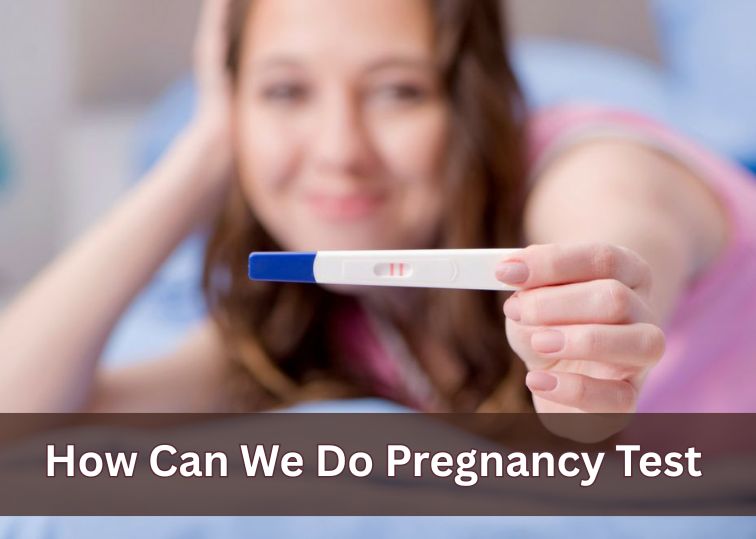
Pregnancy is a thrilling and life-changing experience that brings so much change in a woman’s body. Pregnancy symptoms that occur in the early stage can be quite dissimilar from one individual to another and, in some women, they get all the symptoms, while in others get very few of them. The symptoms can also vary in intensity, which varies from an individual to another and the gestational age. Here, we are going to discuss the common pregnancy symptoms, why and how they occur, and what can be expected for each of the three trimesters.
1. Missed Period
One of the earliest and most common pregnancy symptoms is pregnant is that she has missed her period. Missing a period will generally be the first sign of pregnancy in women who would otherwise keep on having normal periods. Most women also continue to experience light spotting or bleeding during early pregnancy, and they’ll think it’s a period.
Why it occurs: Retained period is caused by implantation of the implanted ovum to the uterine lining preventing the hormones from causing menstruation. In an established pregnancy, the human body begins secreting human chorionic gonadotropin (hCG), a hormone that maintains pregnancy and also inhibits the normal menstrual cycle.
2. Morning Sickness
Morning sickness is vomiting and nausea, usually in the first three months of pregnancy. While it is called morning sickness, it can strike at any time of day or night, and either in a very minor or a severe way. Morning sickness may take a few weeks in some women, but in others, it may last up to delivery time.
Why it happens: It is still not known why morning sickness happens but is thought to be related to the hormonal shift in early pregnancy, particularly the increase in hCG. This hormone is thought to affect the digestive system and cause nausea.
3. Fatigue
Feeling extremely tired or fatigued is also a Pregnancy Symptom that can occur during pregnancy, especially during the first trimester. This is because, for most woman, there is a feeling that more sleep is needed compared to when the woman is not pregnant.
Why it happens: This tiredness is normally brought by the level of the hormone progesterone rising, causing a woman to feel lazy or tired. The body is also using its energy to produce the embryo that is growing inside the woman’s uterus. The level of sugar in the blood also decreases, causing tiredness.
4. Breast Changes
Breast change is one of the symptoms of pregnancy symptoms that many females notice when pregnant. The breast change may occur through tenderness, lumpiness, or pigmentation (darkening) of the areolas (skin around nipples). Breasts becoming fuller or heavier is noticed by many females.
Why it happens: This is caused by hormonal changes, basically by the surges of estrogen and progesterone. This prepares the breasts for lactation by increasing blood flow and causing the gland for milk secretion to grow.
5. Frequent Urination
Frequent urination is also a normal occurrence during pregnancy, particularly during early pregnancy and during the last three months of pregnancy. Women will also find that frequent urination takes place during nighttime periods.
Reason behind it: This is because the uterus applies pressure to the bladder during early pregnancy. The hormones that are present inside the body during pregnancy, hCG, cause an increase in blood flow to the kidneys, leading to frequent urinating for the woman.
6. Food Cravings or Aversions
Pregnancy will provoke many other body changes that affect a woman’s sense of smell, along with her taste buds. Women tend to crave various food types, while others become disgusted by certain food or smell sources that appealed to them in the past.
Why it happens: Changes in the body’s hormonal system during pregnancy cause different responses in how women perceive food and smell. Other researchers believe that the body’s attempt to access certain nutrients or avoid substances that are harmful during pregnancy could also lead to aversions or cravings.
7. Mood Swings
Pregnancy causes mood swings in women, that is, ups and downs during a given day. The major cause behind it is that, during early pregnancy, there are fluctuations in the levels of female hormones.
Why it happens: This sudden change in the level of hormones that comes from the pregnant woman’s body, such as estrogen and progesterone, also affects the neurotransmitters that regulate mood.This is along with the stressful process through which the body undergoes during pregnancy.
8. Light Spotting or Implantation Bleeding
Some women also experience light bleeding or implantation bleeding during early pregnancy. This happens 6 to 12 days after conception when the embryo is implanted in the uterus.
Reason for occurrence: The implantation bleeding is the process by which the fertilized egg penetrates the uterus wall, causing minute vessels to rupture, thereby leading to a slight bleeding or spotting, normally not as heavy as during menstruation. One thing worthy of note is that implantation bleeding may not occur in every woman.
9. Increased Sense of Smell
Increased smell sensitivity is another pregnancy sign that can occur during pregnancy, and for many women, the reality is that they will find that they are more sensitive to certain smells. This can often be the explanation for any food aversions or an oversensitivity to strong smells, such as perfumes, food, or cleaning products.
Why it happens: The actual cause for such a strong sense of smell is not completely understood, although it has been proposed to relate to hormonal shifts, particularly the level increase found in estrogen. Women will perceive that smells are so much stronger, sometimes causing nausea or distaste for certain foods.
10. Headaches
Additionally, headaches can also signal when the woman is pregnant, especially during the early periods. They are normally mildly to moderately severe, and the reasons include hormonal imbalance, blood volume, and dehydration.
Reason for occurrence: The reasons for headaches can include better blood circulation and female hormonal shifts occurring in a woman’s body. Other causes may include dehydration, low blood sugar, and so forth. Pregnant women can alleviate headaches by drinking copious amounts of water and eating healthy food.
11. Constipation and Bloating
Constipations and bloating become traditional pregnancy sign for individuals who are pregnant, particularly during the first and second trimesters. The body’s digestive system tends to slow down when individuals become pregnant; that is, making them feel full along with bloating.
Reason for occurrence: The hormone that causes relaxation in the muscles along the body’s digestive tract is progesterone, thereby slowing down the process of digestion. The pressure exerted by the expanding uterus is also directed at the intestines, causing the same outcome.
12. Back Pain
The process involved in the progression stage during pregnancy is the cause of lower back pain for most pregnant women, mainly because of the adjustments that occur in the body, either through posture, weight adjustment, or the growth that takes place inside the uterus. The lower back pain can range from mild to severe and happen in the lower back and pelvic regions.
Why it happens:
The body has a hormone called relaxin during the period of pregnancy. The hormone relaxes the pelvis, making it easy to give birth. However, loose muscles result in back pain, and also the uterus can cause muscles in the back to become overstretched.
13. Dizziness or Lightheadedness
Some pregnant women develop dizziness or feeling of lightheadedness at one time or another, especially in the first trimester. This is because of a change in blood pressure, blood sugar, or blood volume to the uterus.
Why it happens: The circulation system is entirely different when one is pregnant, with more blood volume and blood circulating in the opposite directions.
Dehydration, low blood pressure, or endocrine adaptations of the body can also lead to dizziness.
14. Skin Changes
A range of changes to the skin may result from pregnancy, including acne, darkening of marks (melasma), and “pregnancy glow.” Some people may find the skin oilier or more sensitive or dark spots or stretch marks.
Why it happens: Hormonal changes, in this case, high levels of estrogen and progesterone, might impact the skin. The hormonal change can cause excessive oil secretion, pigmentation, and overall texture alteration of the skin. Excessive blood flow to the skin can also be the reason for pregnancy glow.
Conclusion
Pregnancy is not consistent and each woman will have her own unique set of symptoms, although there are some symptoms, including morning sickness and a missed period, to anticipate, and others, including sensitivity to the skin or increased sense of smell, that are not. Symptoms should be recalled to be vastly different and each woman isn’t familiar with all of the symptoms. If you suspect you are pregnant, the best pregnancy test to take is the home pregnancy test or, where available, request the doctor to do the confirmation.
Understand the symptoms to be on the lookout for during pregnancy and you will be guided through this incredible process even more, but always go and speak to a doctor if you ever have a question or concern. They are able to advise you, tell you, and make you and your baby well during pregnancy.