Healthy eating is among the most beneficial things you can do to improve your health. Food is a source of energy, aids in our growth and helps keep our organs functioning properly. But not all food products provide the same advantages. For optimal health our body requires the right balance of daily nutrients. This is where a balanced diet comes in.
There is a lot of talk about eating healthy however, many people don’t know what it actually signifies. So, let’s look at what is an Balanced Diet, why it is important and how you can apply it to your daily routine.
What Is a Balanced Diet?
A balanced diet involves eating a balanced quantity of various kinds of food, so that your body receives everything it requires. These include carbohydrates, fats, proteins minerals, vitamins and water. Each nutrient plays a distinct function in ensuring your body is well. Carbohydrates give energy. Proteins help build muscles. Fats support brain function. Minerals and vitamins help your body fight off illness and keep it healthy. If you eat the foods you need in the correct proportion and proportions, you’re eating the right balance of food. It’s not about consuming less or more, but about eating healthy.
Why Is a Balanced Diet Important?
Your body is an instrument. It requires the right type of fuel to run effectively. A balanced diet helps keep your energy level steady and your mood upbeat and your body in good shape. Here’s why it’s so crucial:
- It supplies your body with energy to carry on your work.
- It assists to maintain the weight of a healthy person.
- It boosts your immune system.
- It helps to promote growth and development.
- It ensures that your brain, heart, and muscles in good shape.
If you don’t consume healthy meals, you could feel weak, fatigued or perhaps fall ill frequently. Thus, having a wide variety of food is among the most nutritious food practices you can adopt.
What Should a Balanced Diet Include?
There is no need to indulge in expensive foods to stay healthy. A balanced diet can be constructed with the simple ingredients you have in your kitchen.
Here’s what you should include on your plate every day: must include:
1. Fruits and Vegetables
They are high in minerals, vitamins, as well as fiber. Consume colorful fruits and vegetables each day. Try to include at minimum 4 servings a day.
2. Whole Grains
Select whole grains such as oatmeal, brown rice, or whole wheat in place in refined white flour. They are energy-rich and help keep your stomach full for longer.
3. Protein-Rich Foods
Protein is essential for building muscles and repairs tissues. Protein can be obtained from milk, eggs lentils, beans tofu or the lean meats like chicken or fish.
4. Healthy Fats
Good fats are vital for the brain and your heart. Utilize olive oil as well as nuts, seeds and avocado as an alternative to processed or fried food items.
5. Water
The importance of water is often overlooked yet it’s an essential component of a balanced diet. Drink 8-10 glasses per every day to keep well-hydrated and allow your body to function properly.
Healthy Food Habits You Can Follow
For a healthier diet it isn’t necessary to change your lifestyle at the same time. Making small changes to your diet could make a huge difference. Here are some healthy eating habits that you can begin right now:
- Eat regularly throughout the throughout the day.
- Don’t skip breakfast.
- Do not eat excessive amounts of junk food.
- Include more vegetables and fruits to your diet.
- Reducing sugary drinks and snack foods.
- Drink plenty of fluids throughout the day.
- Take your time eating and enjoying your meal.
As you make these tiny modifications, your body will begin to feel more light, active, and healthier.
Simple Nutrition Advice for Everyday Life
Healthy eating doesn’t need to be difficult. Here’s a simple nutritional guideline that anyone can use:
- Make sure you fill half of your plate with vegetables and fruits.
- Make sure you eat whole foods rather than processed foods.
- Limit sugar, salt and unhealthy fats.
- Make smart choices when snacking, opt for yogurt, nuts or fruits instead of sweets or chips.
- Make sure you eat home-cooked meals frequently.
Remember that balance is the most important thing. You are able to enjoy the treats you love at times however, make sure that the majority all of the meals you eat are filling and nutritious.
Daily Healthy Diet Tips
If you’re looking to develop habitual eating habits that last, you can try using these Daily Healthy Tips for a Healthy Diet:
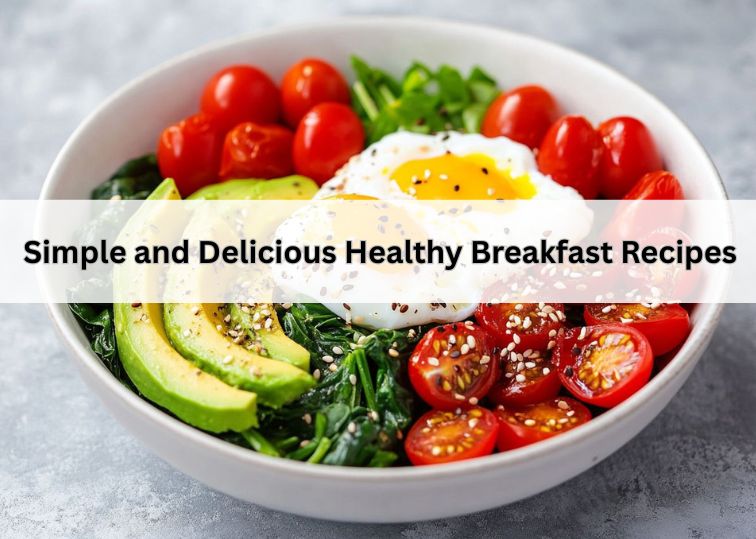
- Healthy Breakfast – Get Your Day Started Right Have a nutritious breakfast that contains the protein and fiber you need, like eggs and fruits as well as oats and milk.
- Eat smaller, balanced meals Instead of eating large meals two times a day, have smaller meals every couple of hours.
- Bring more color to your Plate – Different colors of fruits and vegetables offer diverse nutritional value.
- Reduce the amount of sugary foods – Too many sugary foods can result in an increase in weight and cause health problems.
- Stay Hydrated – Water helps digestion and keeps your skin fresh.
- Cook Smart: Bake – steam or cook your meals instead of deep frying it.
These easy steps will make your meals more nutritious and less effort.
Diet Tips for Long-Term Health
The best way to follow a diet plan for long-term health requires taking a look at your future and not just your short-term goals. A crash diet can assist you in losing weight quickly however it’s not good for your body long-term. Here’s what you can take your food choices to ensure you’re eating well for the long haul:
- Take a wide variety of meals to obtain all the nutrients.
- Do not skip meals or fasting too much.
- Don’t adhere to extreme diets that exclude food groups.
- Make sure your portions are moderate.
- Include physical exercise as a part of your daily routine.
- Make sure you get enough sleep as rest is an integral important for good health.
The aim isn’t perfect, but to achieve the balance. It is not necessary to eliminate all your favorites food items. You just need to eat moderately and mix them in with healthier alternatives.
Benefits of a Balanced Diet
Dietary balance gives your body all the nutrients it requires to function effectively. The main advantages are:
- More Energy: You are more alert and active throughout the day.
- Greater Immunity: Helps the body fight off illnesses and infections.
- Healthy Weight: Reduces the risk of overweight and helps to keep your metabolism in check.
- Good Digestion: Fiber-rich foods keep your digestive system strong.
- Improved Mood: A healthy diet can even make you feel happier.
If your diet is well-balanced all the parts of your body starting from the brain’s heartis working better.
How to Build a Balanced Plate
Here’s an easy way to make a nutritious meal each day:
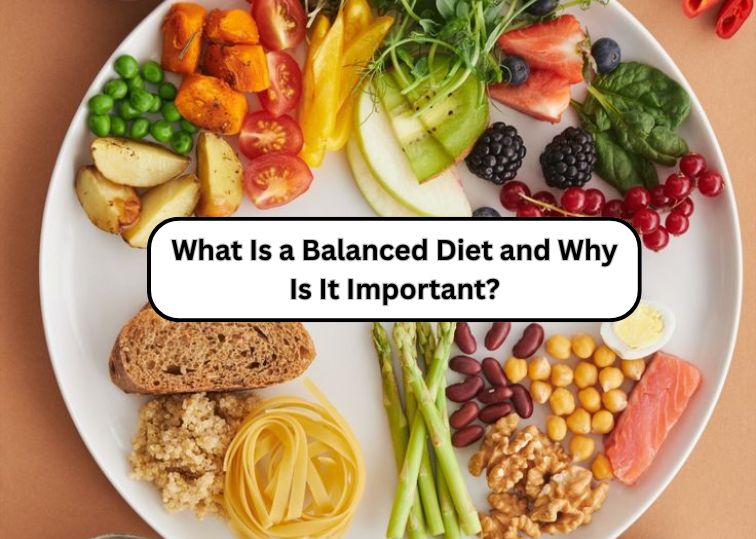
- Half of the plate: Fruits and vegetables.
- One-fourth of the whole grains (like Oats, rice, or wheat)
- One-fourth Protein (like fish, beans eggs, paneer)
- A small portion of healthy fats (like olive oil, nuts or walnuts)
This balance will give you everything your body requires -energy, strength and overall health.
Final Thoughts
So, What Is a Balanced Diet? It’s a diet that supplies your body with the nutrients it requires to be strong and healthy. It’s not about strictures or observing strict guidelines. Balance, diversity and a healthy dose of moderation.
Implementing healthy eating habits and developing healthy habits for eating will make you feel better and more positive, and live longer. Keep in mind that healthy eating isn’t an occasional choice- it’s an ongoing practice. Begin with small steps. Replace one bad habit by a healthier one. Drink more water, eat more fruit and pay attention the body.
By following a few easy steps and making conscious choices, you can create an environment that will keep you well today and into the near future. That’s the benefit of a balanced and healthy diet that will help you live your most vibrant life, the most happy, and healthy life.