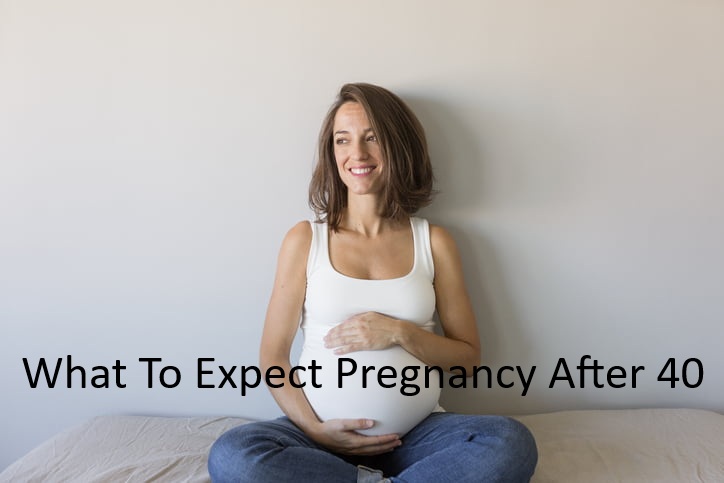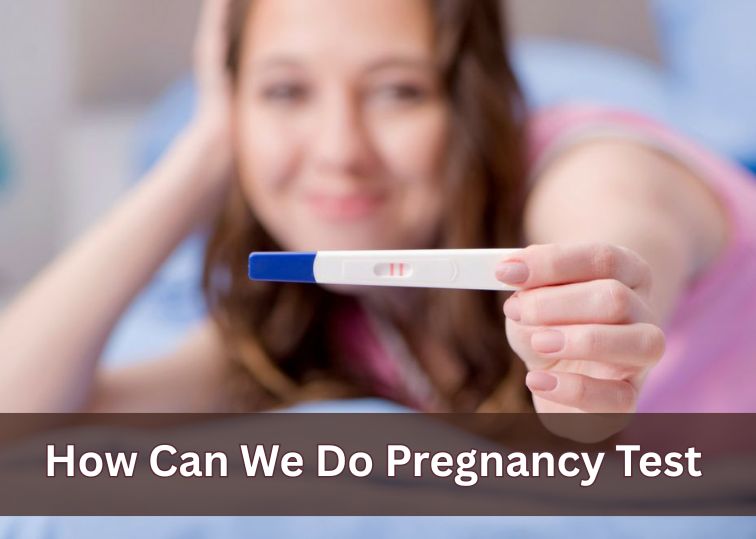
A healthy diet for a pregnant woman is the most important step a becoming mother can take towards her own well-being and that of her developing baby. Pregnancy increases nutritional demand on the body, requiring more vitamins, minerals, and macronutrients. A nutrient-dense meal will not only nurture the growing fetus but also help the mother in maintaining energy levels, managing the weight gain, and reducing complications like gestational diabetes, anemia, and high blood pressure. Healthy Diet for a Pregnant Woman encompass which nutrients are required and how to select foods which work in coordination to provide those nutrients. Each one of these elements plays a certain role in fetal growth and maternal health, and together they all help to create a complete, nourishing diet. A healthy pregnancy diet balances protein, complex carbohydrates, healthy fats, fiber, iodine, vitamins, and minerals-especially folate, iron, calcium, and omega-3s. A healthy pregnancy diet plan includes three main meals and two snacks, focusing on whole grains, protein, fruits, vegetables, and dairy
Early Morning
1.Take luke warm water you can simply add a lemon or a amla in it.
2. Handful of soaked almonds (5–6) and 2 walnuts.
Benefits
- Lemon and amla is loaded with vitamin
- Boost immunity
- Stimulate digestion
- Natural detox processes.
Breakfast
First meal is very important for a pregent women. Breakfast refuels the body and brain, helping pregent women to stay active and supports baby’s growth. They provide energy, protein, iron, calcium, fiber, and vitamins needed for mother and baby.
Option 1: Oatmeal Bowl
Rolled oats cooked in milk u can add two soaked date in it for sweetness.Topped with berries or banana slices.Add 1 tablespoon chia or flax seeds.
Benefits
- Fiber helps digestion.
- Seeds provide omega-3s.
- Milk offers calcium and protein.
Option 2: Vegetable parathas + Soya Chunks Vegetable Curry
It may be Beetroot, Methi, Carrot, Aloo, Spinach, Paneer,any type of lentils also.Add one bowl of yogurt also.use cold pressed sesame oil,mustard oil oive oil for cooking.u can also use desi ghee.
Benefits:
- High in Protein. (Essential for Baby’s Growth)
- Complete Balanced diet Carbs. (paratha) Protein (soya) Healthy fats (ghee/oil)
- Vitamins & minerals (vegetables)
Option 3: Poha or upma +curd
U can add vegetable in poha or upma using cold pressed cooking oil (sesame oil,mustard oil,olive oil,desi ghee)
Benefits
- Light, nutritious, and iron-rich.
- Good Fiber Content
- Easy to Digest
- Light and Filling
Mid-Morning Snack
Option 1: one whole fruit it may be whole apple or watermelon or orange or melon also.
Benefits
- Vitamins,Minerals.
- Potassium,Folate.
- Strong Immunity
- Natural Energy Boost
Option 2 :Yogurt A small bowl of yogurt.
Benefits
- High in Protein
- Excellent Source of Calcium Contains Probiotics (Good Bacteria)
- Supports Fetal Development
- Easy to Digest.
Option 3: Coconut water,Sugar-Free Nimbu Pani, Herbal Teas (Unsweetened) are Pregnancy-Friendly drinks.
- Hydration + electrolytes
- Excellent for Hydration
- Prevents Constipation
- Natural Energy Booster
lunch
Option 1: Salmon, Rice & Veggies (Cottage Cheese) Paneer tomato gravy or palak paneer, Brown rice, Steamed broccoli, carrots, or green beans, Drizzle of olive oil or lemon on top.add one small bowl of curd.
Benefits
- high protein, iron, fiber, and folate
- Strong Immunity
- Improve Digestion
- Extra Nutritious With Vegetables
Option 2: Lentil Dal + Chapati + Vegetables 1–2 whole-wheat chapatis mixed lentil and add one bowl of salad like cucumber,carrot,beetroot.
Benefits
- Lentils iron + protein,
- folate,
- Good Fiber Content
- Supports baby’s tissue, brain, and muscle development
Option 3: Kidney Beans or Chickpeas+ rice+ curd-make kidney beans or may be chickpeas and one bowl of rice,one small bowl of curd one small plate of salad(cucumber,carrot)
Benefits
- Calcium + protein + folate.
- Complete balanced meal.
- High in protein & fiber.
- Energy + probiotics for digestion.
Evening Snack
Option1: Roasted Chana- you can simply make a savory snack from it.
Benefits
- High in protein & fiber.
- Keeps you full without heaviness.
- Energy + probiotics for digestion.
Option2: Whole Wheat Sandwich you can make Veg sandwich Paneer sandwich to fullfil your craving to add vegetable in it.
Benefits
- Balanced carbs + protein.
- Good for pregnancy and general health
Option3: Boiled Sweet Corn You can make a healthy savory snack with it to add lemon and pich of rock salt and black paper.
Benefits:
- Fiber, B-vitamins, helps in digestion.
- Provides Energy
- Full of Vitamins
- Good for Pregnancy
Dinner
Option 1: Vegetable Khichdi Made with rice, dal, ghee, peas, carrots, and spinach.This is very light to eat.
Benefits:
- Gentle on digestion,
- Nutritious
- High fiber + protein
Option 2. Healthy Veg Soup for Pregnancy add different types of veggies,salt black paper in it.
Benefits:
- Balanced carbs
- Probiotics for digestion
- Keeps You fullfil
Option 3 Mixed Dal-Veg Soup Add 1 spoon moong dal to the boiling veggies.
Benefits:
- High protein
- Keeping energy levels stable
- Easy-to-digest,
Before Bed Snack take A glass of milk or fortified plant milk add 2–3 dry dates in it and boil it for 5 to 10 minutes.You take it before to sleep.
Benefits:
- Helps maintain blood sugar overnight
- Prevents morning nausea.
Tips for the Whole Day
- Drink 7–10 glasses of water daily.
- Include a source of folate (spinach, beans, oranges) every day.
- Include iron-rich foods + a vitamin C source to improve absorption.
- Avoid high-mercury fish, raw meat/eggs, and unpasteurized products.
- Keep caffeine under 200 mg/day.
In Short
Healthy Diet for a Pregnant Woman is very important. So start the day with luke warm water and a healthy breakfast like oats, or paratha with curd. Stay hydrated by drinking water throughout the day. Eat small, nutritious meals every 2–3 hours, including fruits, nuts, yogurt, and vegetables. Have a balanced lunch with protein, grains, and salad. Take short rests and go for a light walk in the evening. Choose light snacks like soup or fruit. Eat an early, simple dinner and avoid spicy or oily foods. Add spirituality in your daily routine. It keeps you relax. Sleep on your left side and aim for 7–9 hours of rest. Take prenatal vitamins and attend regular checkups.
FAQ
1. Why is a healthy diet important during pregnancy?
A meal is necessary in the development as well as the growing of your child. It would equally provide mother with the power to maintain her health. The meal would be useful in preventing illness such as anemia, low birth weight, and birth defects.
2.How much water should I drink?
Daily Goal: The range should be such that it falls between 8-12 cups or 2-3 liters of water. This is necessary to avoid hydration problems, which can cause constipation, swelling, and infection.
3.How can I manage morning sickness with diet?
Try:
- Eating small, frequent meals
- Bland foods like crackers or toast
- Avoiding spicy or greasy foods
- Drinking ginger tea or lemon water
4.Are cravings normal?
Yes. It is the nature of human beings that they have to crave for something; of course, it is perfectly appropriate for the craving to be for the purpose of indulging in some amount, yet they must try their best at maintaining a healthy diet.
5.Should I take supplements?
Most pregnant women need:
- Prenatal vitamin
- Iron
- Folic acid
- Vitamin D
Always take supplements as prescribed by your doctor.
6. What nutrients are most important during pregnancy?
Key nutrients include:
Vitamin D – Bone health and immune support
Folic Acid – Prevents birth defects (found in leafy greens, beans, fortified cereals)
Iron – Prevents anemia (spinach, lentils)
Calcium – Supports baby’s bones and teeth (milk, yogurt, tofu)
Protein – Helps growth and tissue development (beans,pulses)
DHA (Omega-3) – Brain and eye development (flexseed seed, chia seeds)
7.How many extra calories do I need during pregnancy?
- 1st trimester: No extra calories usually needed
- 2nd trimester: About 300–350 extra calories per day
- 3rd trimester: About 400–450 extra calories per day
Focus on nutrient-dense foods rather than just increasing portion sizes.
8.How much weight should I gain during pregnancy?
It depends on your pre-pregnancy BMI:
- Underweight: 28–40 lbs (13–18 kg)
- Normal weight: 25–35 lbs (11–16 kg)
- Overweight: 15–25 lbs (7–11 kg)
- Obese: 11–20 lbs (5–9 kg)
Your healthcare provider will guide you.