Tubal pregnancy is the commonest type of ectopic pregnancy. Ectopic pregnancy is a dangerous health situation where the fertilized egg gets implanted and starts taking care of the baby outside the uterus. It is normally found in the fallopian tubes. The fallopian tube is not capable of housing a baby. It is for this reason that the tubal pregnancy will not be able to make it to term and may even be fatal if corrective measures are not taken. It is vital that a complete understanding is gained on the aspect related to the tubal pregnancy.
What Is a Tubal Pregnancy?
During a normal pregnancy, conception will occur in the fallopian tubes, and the development of the pregnancy will follow in the uterus. During a tubal pregnancy, everything will not follow the normal path. Rather, the egg will find a way to insert itself into the fallopian tubes rather than moving into the uterus. This embryo will apply the pressure on the fallopian tubes, which have little strength and little blood circulation. The fallopian tubes will not have the elasticity of the uterus since they will be under too much stress. This will cause the fallopian tubes to tear, which will result in internal bleeding.
Why Tubal Pregnancy Is Dangerous
A tubal pregnancy cannot result in a viable baby. The main risks include:
- Rupture of the fallopian tube
- Severe internal bleeding
- Shock due to blood loss
- Damage or loss of the fallopian tube
- Risk to the person’s life if untreated
Early detection dramatically reduces these risks and often allows for less invasive treatment.
Causes and Risk Factors
A tubal pregnancy usually occurs when the movement of the fertilized egg through the fallopian tube is slowed or blocked. Common causes and risk factors include:
- Previous pelvic infections
Pelvic inflammatory disease (PID), often caused by untreated sexually transmitted infections such as chlamydia or gonorrhea, can damage or scar the fallopian tubes. - Previous ectopic pregnancy
Having one ectopic pregnancy increases the risk of another. - Fallopian tube surgery
Tubal surgery, including sterilization or reversal procedures, can alter tube structure. - Endometriosis
This condition can cause inflammation and scarring around the tubes. - Fertility treatments
Assisted reproductive technologies may slightly increase ectopic risk. - Smoking
Smoking affects tubal function and egg movement. - Congenital abnormalities
Some people are born with unusually shaped or narrow fallopian tubes. - Age over 35 years
Risk increases slightly with age.
Importantly, tubal pregnancy can occur even without any known risk factors.
Symptoms of Tubal Pregnancy
Early symptoms may resemble those of a normal pregnancy, which can delay diagnosis. Common early signs include:
- Missed period
- Positive pregnancy test
- Breast tenderness
- Nausea or mild fatigue
As the pregnancy grows, more concerning symptoms may develop:
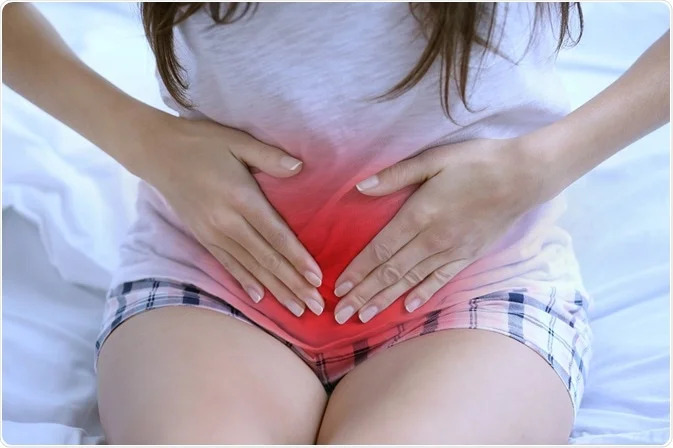
- Sharp or stabbing pain in the lower abdomen or pelvis (often one-sided)
- Vaginal bleeding or spotting
- Shoulder pain (from internal bleeding irritating the diaphragm)
- Dizziness or fainting
- Weakness or low blood pressure
Symptoms of rupture are a medical emergency and require immediate care.
How Tubal Pregnancy Is Diagnosed
Diagnosis usually involves a combination of:
- Pregnancy test (hCG levels)
In ectopic pregnancy, hCG levels may rise more slowly than expected. - Transvaginal ultrasound
Used to check whether a pregnancy is present inside the uterus. Absence of an intrauterine pregnancy with rising hCG levels raises suspicion. - Physical examination
To check for abdominal tenderness or signs of internal bleeding.
Sometimes diagnosis requires repeat testing over several days to confirm the location of the pregnancy.
Treatment Options
Treatment depends on how early the condition is diagnosed, the size of the pregnancy, symptoms, and overall health.
1. Medical Treatment (Methotrexate)
- Used when the pregnancy is detected early
- Stops cell growth and allows the body to absorb the pregnancy
- Requires close monitoring of hCG levels
- Avoids surgery and preserves the tube in many cases
This option is not suitable if there is tube rupture or severe bleeding.
2. Surgical Treatment
Surgery is required if:
- The tube has ruptured
- The pregnancy is large
- The patient is unstable or in severe pain
Types of surgery include:
- Salpingostomy – removing the pregnancy while preserving the tube
- Salpingectomy – removing the affected fallopian tube entirely
Most surgeries are performed laparoscopically (keyhole surgery).
Recovery After Tubal Pregnancy
Physical recovery depends on the treatment method:
- Medical treatment: recovery may take several weeks with blood tests until hCG levels return to zero.
- Surgical treatment: physical healing usually occurs within a few weeks.
Emotional recovery often takes longer. Feelings of grief, guilt, sadness, anger, or fear are common and valid. Support from partners, family, counselors, or support groups can be extremely helpful.
Future Fertility After Tubal Pregnancy
Many people go on to have healthy pregnancies after a tubal pregnancy.
- If one fallopian tube remains healthy, natural conception is often possible.
- Fertility may be reduced if both tubes are damaged.
- The risk of repeat ectopic pregnancy is higher, so early monitoring in future pregnancies is essential.
Doctors usually recommend waiting at least 2–3 months before trying to conceive again, depending on treatment.
Prevention and Risk Reduction
While not all tubal pregnancies can be prevented, certain steps can reduce risk:
- Early treatment of sexually transmitted infections
- Regular gynecological checkups
- Avoiding smoking
- Seeking medical care for pelvic pain or abnormal bleeding
- Early ultrasound in future pregnancies if there is prior ectopic history
Emotional and Psychological Impact
A tubal pregnancy is not only a physical condition but also an emotional loss. Many people struggle with:
- Grief over pregnancy loss
- Fear of future pregnancies
- Anxiety about fertility
- Relationship stress
Acknowledging these feelings and seeking support is an important part of healing. Mental health care is just as important as physical recovery.
When to Seek Emergency Care
Immediate medical attention is required if any of the following occur:
- Sudden severe abdominal pain
- Heavy vaginal bleeding
- Fainting or collapse
- Shoulder pain with dizziness
Prompt treatment can save lives.
Conclusion
A tubal pregnancy is a very serious complication which can even become a cause for death, but the fact is that it has to be diagnosed and treated immediately. Even though a tubal pregnancy is a very trying experience because of which a female can undergo physical as well as mental agony, yet many women were able to come out of this situation only because of proper treatment and advice. Therefore, the very instance you realize that there might be a tubal pregnancy in your case or in the case of any other female, you must start its treatment immediately.
FAQ
1.Is a tubal pregnancy the same as an ectopic pregnancy?
Yes. The most common type of ectopic pregnancy is a tubal pregnancy. More than 90 percent of all ectopic pregnancies occur in the fallopian tubes.
2.How early can a tubal pregnancy be detected?
It is normally found between weeks 4 and 10 of pregnancy. A diagnosis is then made of the occurrence of Ultrasound, Blood tests for hCG levels.
3.Is a tubal pregnancy dangerous?
Yes. The condition, if not taken care of, can result in the rupture of the fallopian tube due to the internal bleeding.
4.How is a tubal pregnancy treated?
Treatment options include:
- Medication (Methotrexate) – stops the pregnancy from growing
- Surgery – to remove the pregnancy or the affected tube
- Emergency surgery if rupture occurs
5.Can you get pregnant again after a tubal pregnancy?
Yes, many women may go on to conceive again normally, but with an increased risk by a small margin of another ectopic pregnancy occurring.
6.How long does recovery take?
- Medication treatment: a few weeks for hormone levels to return to normal
- Surgery: 2–6 weeks depending on the procedure
7.How common is tubal pregnancy?
About 1–2% of all pregnancies are ectopic pregnancies.
8.Can a tubal pregnancy be prevented?
It cannot always be prevented, but you can reduce risk by:
- Practicing safe sex
- Treating pelvic infections early
- Avoiding smoking
9.Can I Get Pregnant Again After a Tubal Pregnancy?
Yes, many women are able to conceive another pregnancy, although it is a tubal or ectopic pregnancy. The risk of another ectopic pregnancy is slightly increased, and it is best that this is under medical surveillance at onset.