Many people hear the word “heart attack” and immediately feel worried. It’s one of the most common heart problems in the world, but not everyone truly understands what it means or why it happens. Knowing what a heart attack is, what causes it, and how to prevent it can save your life or someone else’s. Let’s talk about this in a straightforward way that everyone can understand.
What Is a Heart Attack?
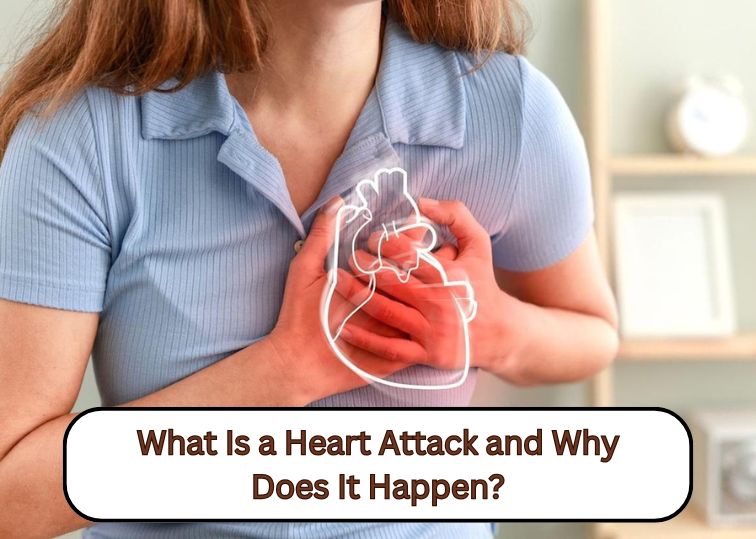
A heart attack happens when blood flow to a part of the heart is blocked. Your heart needs a constant supply of oxygen-rich blood to work properly. When something stops this flow, that part of the heart muscle starts to get damaged. If the blockage is not treated quickly, it can cause serious harm to the heart or even death.
The medical term for a heart attack is myocardial infarction. “Myo” means muscle, “cardial” means heart, and “infarction” means damage due to lack of blood flow. So, a heart attack simply means that part of the heart muscle is dying because it’s not getting enough blood.
What Causes a Heart Attack?
One of the leading causes of a heart attack is the buildup of plaque inside your arteries. Plaque is made of fat, cholesterol, and other substances that stick to the walls of your arteries over time. This buildup is called atherosclerosis.
When the plaque breaks open or bursts, a blood clot forms around it. This clot can block the blood flow to your heart. Without enough blood and oxygen, your heart muscle starts to die, and that’s when a heart attack happens.
Sometimes, a heart attack can also be caused by other things, like:
- A sudden spasm in the heart artery that stops blood flow.
- Severe stress or physical strain.
- Drug use, such as cocaine, can tighten blood vessels.
Signs and Symptoms of a Heart Attack
Heart attacks don’t always look the same for everyone. Some people have intense pain, while others have mild symptoms. Common signs include:
- Chest pain or pressure that feels like something heavy is sitting on your chest.
- Pain spreading to your left arm, jaw, neck, or back.
- Shortness of breath.
- Sweating and feeling cold or clammy.
- Feeling light-headed or dizzy.
- Nausea or vomiting.
In women, heart attack symptoms can sometimes be different. They might feel more tired, dizzy, or have pain in the stomach instead of the chest. If you or someone near you shows these signs, call for medical help immediately. Quick treatment can save a life.
Risk Factors for Heart Attack
Certain things increase your chances of having a heart attack. These are called risk factors for a heart attack. Some you can control, and some you can’t.
Things you can’t control:
- Age: Risk increases as you get older.
- Family history: If someone in your family had heart disease, your risk may be higher.
- Gender: Men are at a higher risk earlier in life, but women’s risk increases after menopause.
Things you can control:
- Smoking: Smoking damages your blood vessels and increases cholesterol buildup.
- Unhealthy diet: Too much fat, sugar, and processed food can harm your heart.
- Lack of exercise: Sitting all day makes your heart weaker.
- Stress: Constant stress can raise your blood pressure and harm your heart over time.
- High blood pressure and cholesterol: Both make it harder for your heart to work correctly.
- Being overweight: Extra body fat puts pressure on your heart.
The good news is that making minor changes to your lifestyle can lower these risks.
Difference Between Heart Attack and Cardiac Arrest
Many people think a heart attack and cardiac arrest are the same thing, but they are not.
A heart attack happens because blood flow to the heart is blocked. The heart is still beating, but part of it is damaged.
A cardiac arrest happens when the heart suddenly stops beating altogether. An electrical problem in the heart usually causes it. When this happens, the person will collapse, stop breathing, and lose consciousness.
You can think of it like this: a heart attack is a “plumbing problem,” and cardiac arrest is an “electrical problem.” A heart attack can sometimes lead to cardiac arrest if not treated quickly.
How to Keep Your Heart Healthy
Taking care of your heart doesn’t have to be complicated. Simple habits can make a big difference. Here are a few tips to keep your heart healthy:
- Eat heart-friendly food:
Add more fruits, vegetables, whole grains, and lean proteins to your meals. Cut down on fried food, sugary snacks, and red meat. Foods rich in omega-3 fatty acids, like fish and nuts, are great for your heart. - Stay active:
Even a 30-minute walk every day can help keep your heart strong. Try simple exercises like walking, cycling, or yoga. - Don’t smoke or drink too much:
Smoking is one of the biggest causes of heart disease. If you smoke, try to quit. Drinking alcohol in large amounts also puts stress on your heart. - Manage stress:
Learn to relax and take breaks. Meditation, deep breathing, or listening to calm music can help. - Get enough sleep:
Adults should sleep at least 7–8 hours every night. Poor sleep increases the risk of heart disease. - Check your health regularly:
Get your blood pressure, cholesterol, and blood sugar checked at least once a year. Detecting problems early can prevent serious issues later.
When to See a Doctor
If you ever feel chest discomfort, pain, or unusual tiredness, don’t ignore it. Even if it’s not a heart attack, these can be early warning signs of heart problems. It’s always better to get checked early.
Also, if you already have heart disease, follow your doctor’s advice carefully. Take your medicines on time, and make lifestyle changes that support your heart.
Final Thoughts
So, what is a heart attack, and why does it happen? It’s a serious condition where blood flow to the heart gets blocked, often because of plaque buildup or clots. The good thing is that most heart attacks can be prevented with healthy habits. Knowing what causes a heart attack, the risk factors for heart attack, and the difference between a heart attack and cardiac arrest helps you stay informed and ready.
Your heart works nonstop for you, every second of your life. Taking care of it with good food, regular movement, and less stress is the best gift you can give yourself. Stay active, eat healthy, and make small lifestyle changes; that’s how you can keep your heart healthy and strong for years to come.